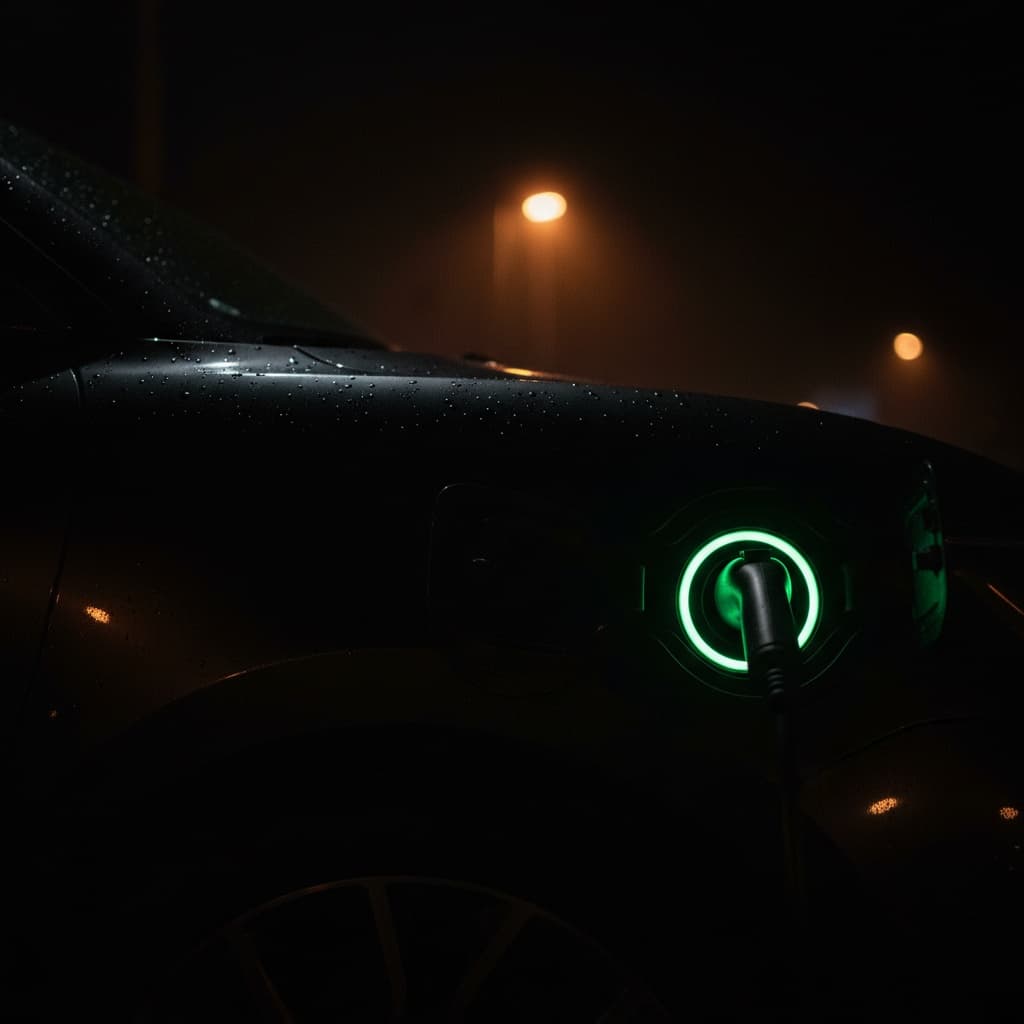
Should You Buy an EV in 2026? A Kiwi Buyer's Guide
Electric vehicles are more affordable than ever in New Zealand. Here's what to consider — range, charging, running costs, and which models offer the best value.
Electric vehicles have gone from niche to mainstream in New Zealand. With the Clean Car Discount now wound back, prices have actually come down on the second-hand market, making 2026 a surprisingly good time to buy.
Range Reality Check
Modern EVs typically offer 200–400km of real-world range. For most New Zealanders — commuting, school runs, supermarket trips — even a 200km range car charges once or twice a week. The days of "range anxiety" are largely over for daily driving.
Charging at Home
A standard 3-pin plug charges most EVs overnight (8–10 hours for a full charge). A dedicated wall charger (around $1,500 installed) cuts that to 4–6 hours. For most people, you plug in when you get home and wake up to a full "tank."
Running Costs
Electricity costs roughly $4–$6 per 100km. Compare that to $12–$18 per 100km for petrol. Servicing is cheaper too — no oil changes, no timing belts, no exhaust system. Brake pads last longer thanks to regenerative braking.
What to Check on a Used EV
- ·State of Health (SoH): This tells you how much battery capacity remains. Above 85% is good. Below 75% means reduced range.
- ·Battery warranty: Many manufacturers offer 8-year/160,000km battery warranties that transfer to new owners.
- ·Charging connector type: Most new EVs use CCS2 (the NZ standard). Older models may use CHAdeMO or Type 1.
Our Top Picks Under $25k
Nissan Leaf (40kWh), MG ZS EV, and Hyundai Kona Electric all offer excellent value in the NZ used market. Come see our EV range in the showroom.
Ready to find your next car?
Related Articles

We've Moved: Welcome to Our New Home on Watts Road
Premium Wholesale Cars has a new address. Visit us at 27 Watts Road, Sockburn — a bigger yard, easier access, and the same wholesale prices Christchurch knows us for.
The Complete Used Car Buying Guide for New Zealand
Everything you need to know before buying a used car in NZ — from pre-purchase inspections to finance options and common pitfalls to avoid.

5 Ways to Maximise Your Trade-In Value
Thinking of trading in your current car? These five simple steps can add hundreds — or even thousands — to your trade-in offer.